Alliums: Onions, Scallions, Leeks, Garlic
Onions
Many of my clients have been enjoying fresh onions from their gardens. Walla Walla has a sweet flavor that you just cannot get from a store bought onion.
Spacing & Yield
On 30” beds, 4 rows of Onions can be planted 1’ apart; expect yields of 4 Onions per bed foot.
On 4’ bed, 6 rows of Onions can be planted 8” apart; expect yields of 9 Onions per bed foot.
Pests
The Allium Leaf Miner is a pest that can desiccate an unprotected Allium crop. This season floating row covers are HIGHLY RECOMMENDED for all Allium crops.
Many of my clients have been enjoying fresh onions from their gardens. Walla Walla has a sweet flavor that you just cannot get from a store bought onion.
Spacing & Yield
On 30” beds, 4 rows of Onions can be planted 1’ apart; expect yields of 4 Onions per bed foot.
On 4’ bed, 6 rows of Onions can be planted 8” apart; expect yields of 9 Onions per bed foot.
Pests
The Allium Leaf Miner is a pest that can desiccate an unprotected Allium crop. This season floating row covers are HIGHLY RECOMMENDED for all Allium crops.
|
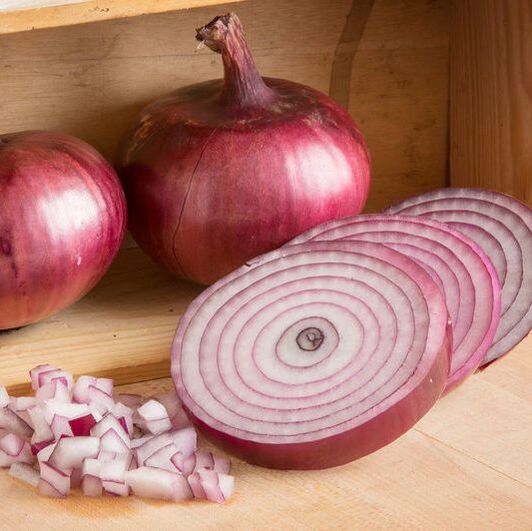
Monastrell Onion
106 Days Planting Notes: Planted in Mid-April, harvested in July; only planted once per season “Excellent field-holding capacity. Slightly-flattened globes are large to jumbo-size. Rich red skin color permeates the internal rings.” |
|
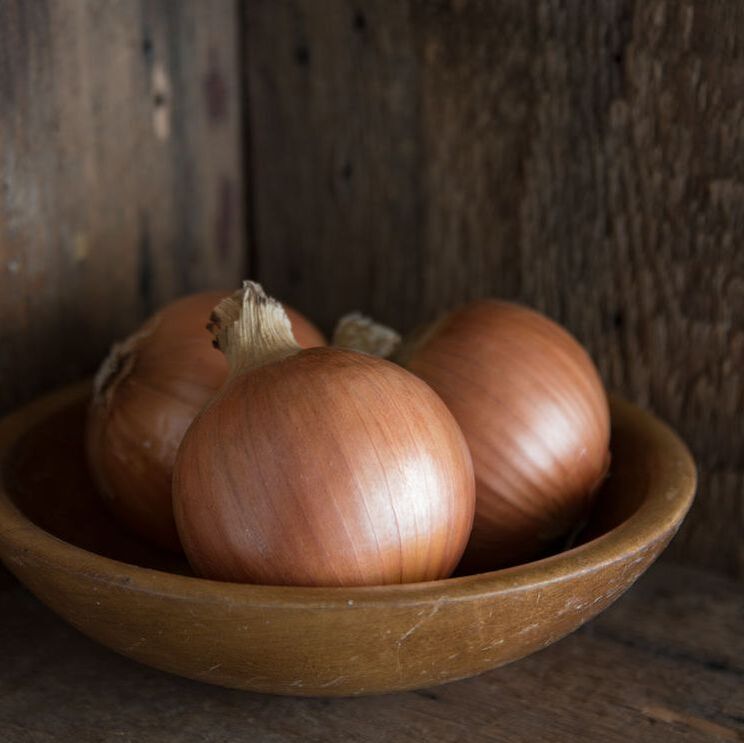
New York Early Onion
98 Days Planting Notes: Planted in Mid-April, harvested in July; only planted once per season “One of the more dependable and productive early onions. Medium-large, blocky, firm, yellow onions are early and suited to medium-term storage. It’s flesh is more tender than the extra-hard, long storage varieties.“ |
|
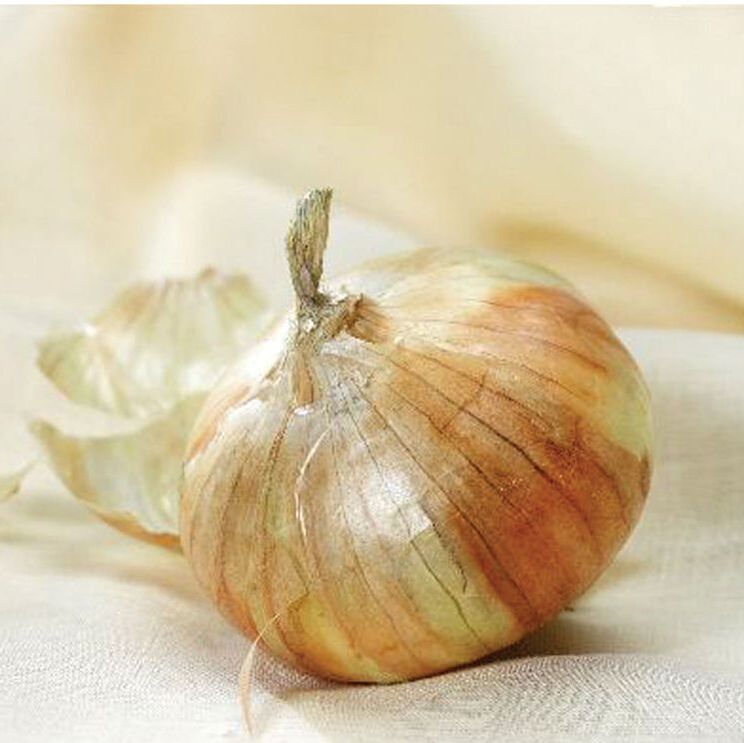
Walla Walla Onion
125 Days Planting Notes: Planted in Mid-April, harvested in August; only planted once per season “The famous, mild yellow variety from Walla Walla, WA. Juicy, sweet, regional favorite.” |
Scallions
I grow scallions in bunches; harvesting is as easy as pulling them out of the ground and washing. I developed a scallion succession planting program that will provide you with fresh Scallions from June to November! Choose all varieties if you want a continuous supply from June - October.
Spacing & Yield
On 30” bed, 3 rows of Scallions can be planted, 1’ apart; expect yields of 3 bunches per bed foot.
On 4’ bed, 6 rows of Scallions can be planted, 8” apart; expect yields of 9 bunches per bed foot.
I grow scallions in bunches; harvesting is as easy as pulling them out of the ground and washing. I developed a scallion succession planting program that will provide you with fresh Scallions from June to November! Choose all varieties if you want a continuous supply from June - October.
Spacing & Yield
On 30” bed, 3 rows of Scallions can be planted, 1’ apart; expect yields of 3 bunches per bed foot.
On 4’ bed, 6 rows of Scallions can be planted, 8” apart; expect yields of 9 bunches per bed foot.
|
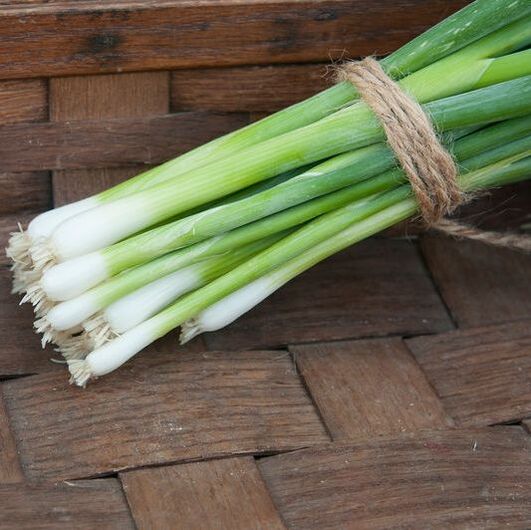
Parade Scallion
65 Days Planting Notes: Three plantings per season in April, May, and July. With harvests in June, July and September. “Organic bunching onion. Parade has bright white shanks with no bulbing, and dark green, erect foliage. Very uniform, upright growth makes for easy harvest and cleaning.” |
|
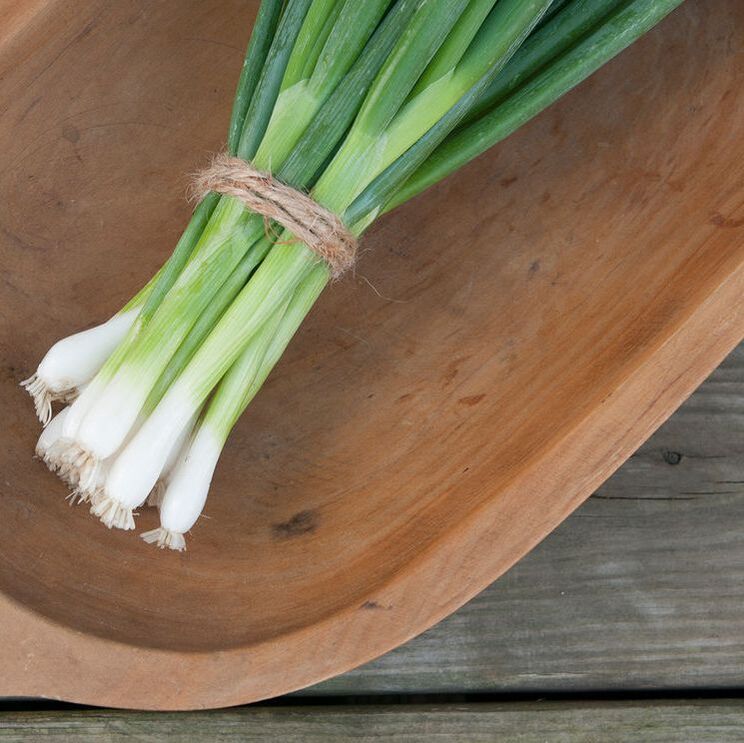
Evergreen Hardy White Scallion
65 Days Planting Notes: Two plantings per season in July and August for harvests in October and November. “The most winter-hardy bunching onion.” |
Leeks
Leeks are a crop that holds well in the field. When you plant these varieties together, the succession planting program will provide you with a leek harvest every 2-3 weeks from the middle of August until November. Bandit holds well in the cold, allowing you to bulk up the final planting for use into the winter.
Spacing & Yield
On 30” beds, 2 rows of Leeks can be planted with 6” spacing; expect yields of 4 Leeks per bed foot.
On a 4’ beds, 3 rows of Leeks can be planted with 6” spacing; expect yields of 6 Leeks per bed foot
Leeks are a crop that holds well in the field. When you plant these varieties together, the succession planting program will provide you with a leek harvest every 2-3 weeks from the middle of August until November. Bandit holds well in the cold, allowing you to bulk up the final planting for use into the winter.
Spacing & Yield
On 30” beds, 2 rows of Leeks can be planted with 6” spacing; expect yields of 4 Leeks per bed foot.
On a 4’ beds, 3 rows of Leeks can be planted with 6” spacing; expect yields of 6 Leeks per bed foot
|
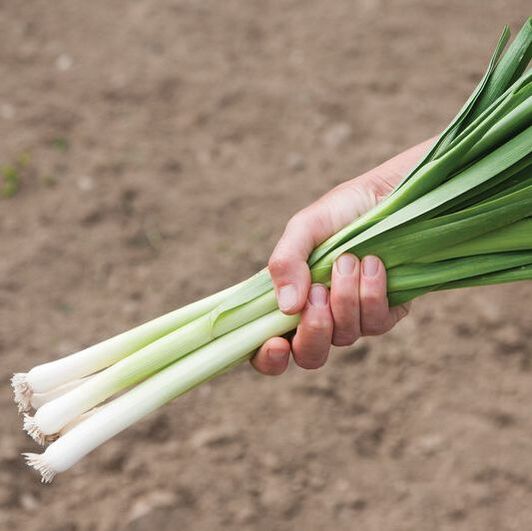
King Richard Leek
75 Days Planting Notes: Planted in May, for a harvest in August “Remarkable earliness and size. Beautiful full-sized leeks. In favorable soil and culture, the white shanks are over a foot long to the first leaf. Medium-green leaves with full habit.” |
|
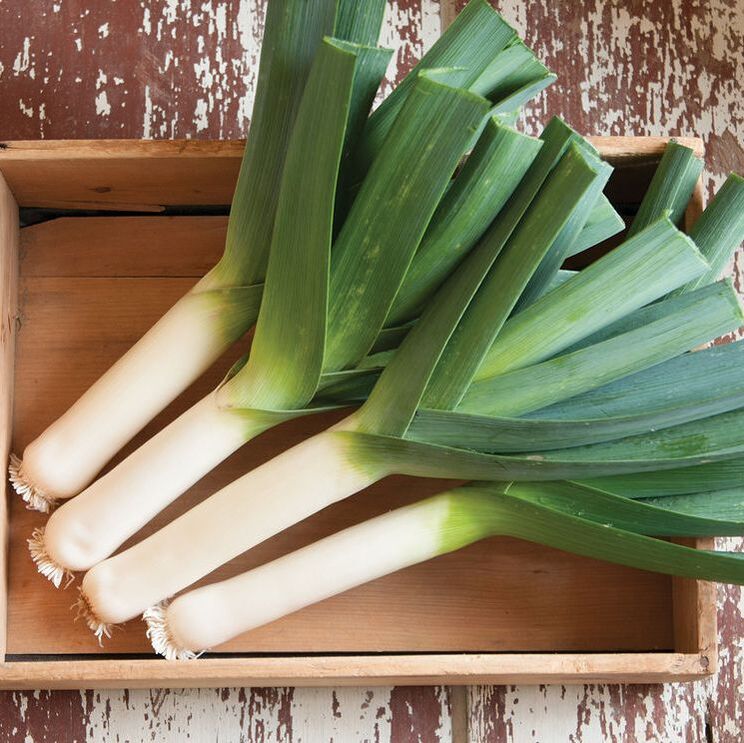
Tadorna Leek
100 Days Planting Notes: Planted in May and June for harvests in September and October “A vigorous grower producing a medium-length white shank and contrasting, very dark blue-green foliage. Holds in the field for fall into winter harvest, and overwinters in moderate climates.” |
|
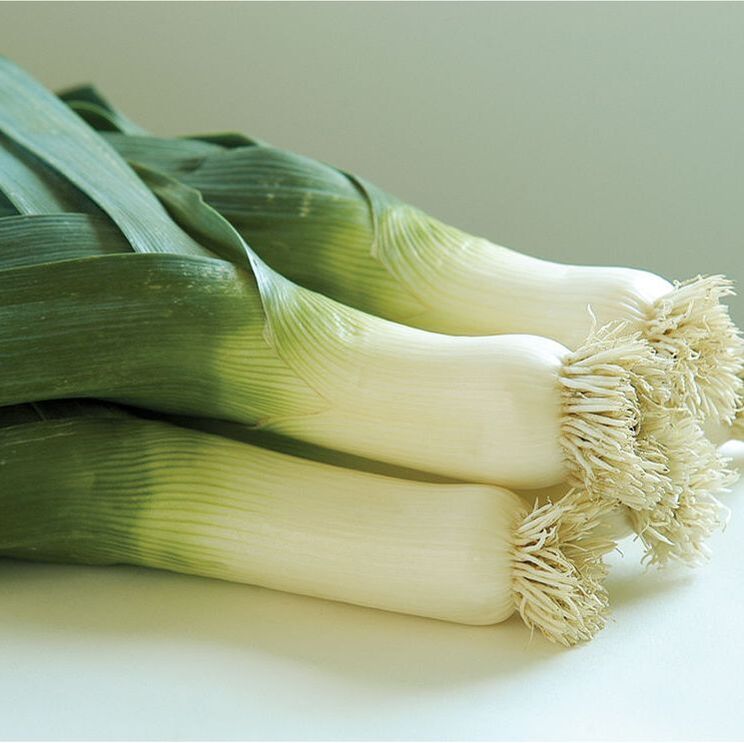
Bandit Leek
120 Days Planting Notes: Planted in May and June for harvests in September and October. “Bandit has beautiful, very dark blue-green, erect leaves and good uniformity. The shank grows very thick with minimal bulbing.” |
Garlic
If you have never heard of “Garlic Scapes” you are in for a rare treat. Garlic produces a flower stalk in late-May / early-June that is a delicacy. A little over a month later, you get to harvest the bulbs. Please note that Garlic is planted in October of this planting season then harvested in July of next season.
Spacing & Yield
On 30” beds, 3 rows of Garlic can be planted, spaced 10” apart; expect yields of 3 bulbs and scapes per bed foot.
On 4’ beds, 3 rows of Garlic can be planted, spaced 1’ apart; expect yields of an average of 4 bulbs and scapes per bed foot.
Pests
The Allium Leaf Miner is a pest that can desiccate an unprotected Allium crop. This season floating row covers are HIGHLY RECOMMENDED for all Allium crops.
If you have never heard of “Garlic Scapes” you are in for a rare treat. Garlic produces a flower stalk in late-May / early-June that is a delicacy. A little over a month later, you get to harvest the bulbs. Please note that Garlic is planted in October of this planting season then harvested in July of next season.
Spacing & Yield
On 30” beds, 3 rows of Garlic can be planted, spaced 10” apart; expect yields of 3 bulbs and scapes per bed foot.
On 4’ beds, 3 rows of Garlic can be planted, spaced 1’ apart; expect yields of an average of 4 bulbs and scapes per bed foot.
Pests
The Allium Leaf Miner is a pest that can desiccate an unprotected Allium crop. This season floating row covers are HIGHLY RECOMMENDED for all Allium crops.
|
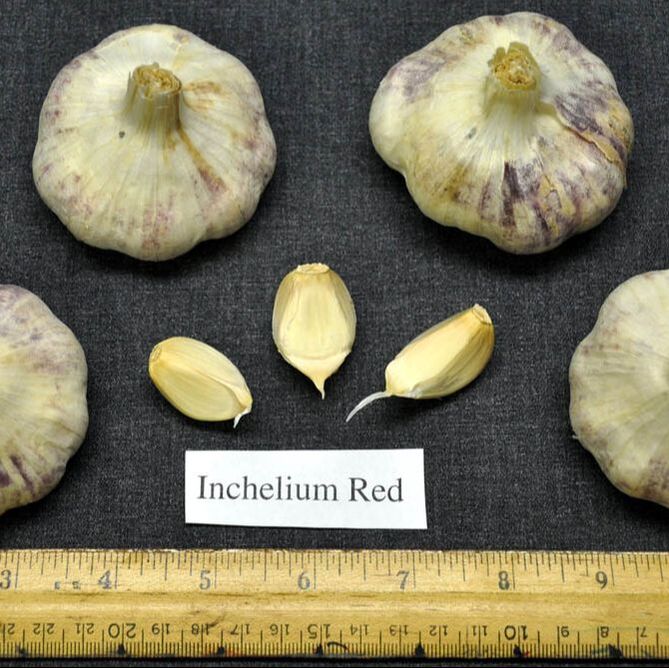
Inchelium Red Garlic
Planting Notes: Planted in October and harvested the following July “Mid-season, Artichoke type. Inchelium Red is a national taste-test winner in the softneck division. This mild flavored garlic is great baked and blended with mashed potatoes.” |
|
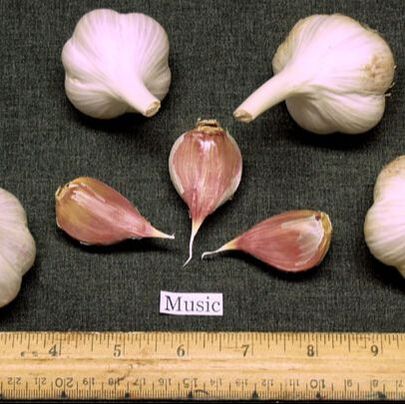
Music Garlic
Planting Notes: Planted in October and harvested the following July “Mid-season, Porcelain type. Music hits the top of the charts when it comes to yields. White skinned with just a blush of pink, this garlic makes big cloves that are easy-to-peel. The taste is a medium hot, true garlic flavor. Exceptional shelf life for a Porcelain type, Music will store 9 months to a year. Very cold tolerant.” |