Beans
Bush Beans are harvestable for 3-4 weeks, soybeans are good for one main harvest and pole beans will produce over a longer period of time. Choose one for the season, or get a different one each planting. Most bean crops are planted monthly over three plantings.
Spacing & Yield
On 30” beds, 2 rows of Bush Beans can be planted; expect yields of 1# per bed foot, per week.
On 4’ beds, 3 rows of Bush Beans can be planted; expect yields of 1½# per bed foot per week.
*Soybeans expect a yield about a quarter of bush beans.
On 30” beds, 1 row of Fava Beans can be planted, and require a Pea Fence style trellis.
On 4’ beds, 2 rows Fava Beans can be planted, and require a Pea Fence style trellis.
Spacing & Yield
On 30” beds, 2 rows of Bush Beans can be planted; expect yields of 1# per bed foot, per week.
On 4’ beds, 3 rows of Bush Beans can be planted; expect yields of 1½# per bed foot per week.
*Soybeans expect a yield about a quarter of bush beans.
On 30” beds, 1 row of Fava Beans can be planted, and require a Pea Fence style trellis.
On 4’ beds, 2 rows Fava Beans can be planted, and require a Pea Fence style trellis.
|
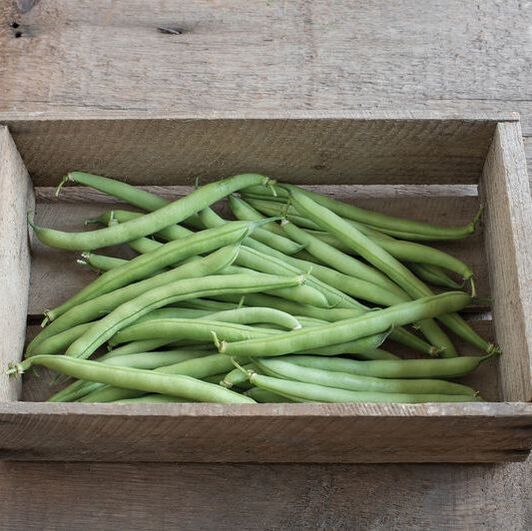
Provider Bush Bean
50 Days to First Harvest 3-4 Week Harvest Time-frame Planting Notes: Planted three times per season, May, June, and July for Harvests in July, August and September “Compact plants are easy to grow and adaptable to diverse soil and climate conditions. Produces 5-5 1/2" fleshy round pod green beans.” |
|
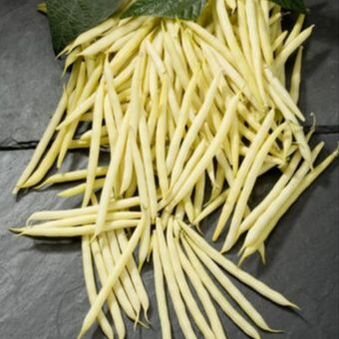
Goldilocks Bush Bean
52 Days to First Harvest 3-4 Week Harvest Time-frame Planting Notes: Planted three times per season, May, June, and July for Harvests in July, August and September “Beautiful bright yellow beans. The avg. 5–6" pods are straight, attractive, flavorful and borne on large, upright plants. Good heat tolerance. ” |
|
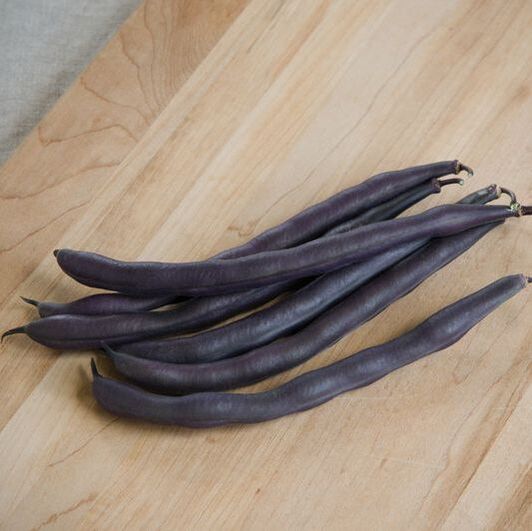
Royal Burgundy Bush Bean
55 Days to First Harvest 3-4 Week Harvest Time-frame Planting Notes: Planted three times per season, May, June, and July for Harvests in July, August and September “Organic purple bean. The brilliant purple, 5" pods are eye-catching at market, easy to spot when harvesting, and add stunning color to salads when used raw. The pods do turn green when cooked.” |
|
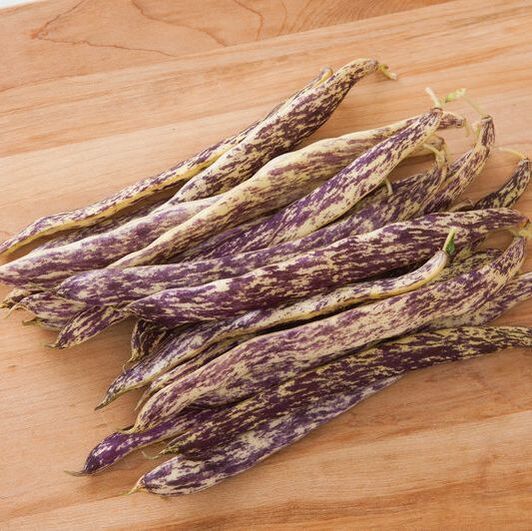
Dragon Tongue Bean
57 Days to First Harvest 3-4 Week Harvest Time-frame Planting Notes: Planted three times per season, May, June, and July for Harvests in July, August and September “Unique flashy heirloom. Avg. 6-6- 1/2" flat pods are pale yellow with purple streaks. They are tender and sweet and good in salads or cooked. Purple disappears upon cooking. “ |
|
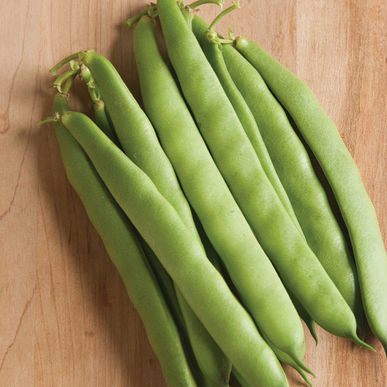
Dulcina Flat Bean
53 Days to First Harvest 3-4 Week Harvest Time-frame Planting Notes: Planted three times per season, May, June, and July for Harvests in July, August and September “Tender and full-flavored Italian flat-pod beans. The sweet, tender medium green pods avg. 5 1/2–6 x 3/4", and are borne on large semi-upright plants.” |
|
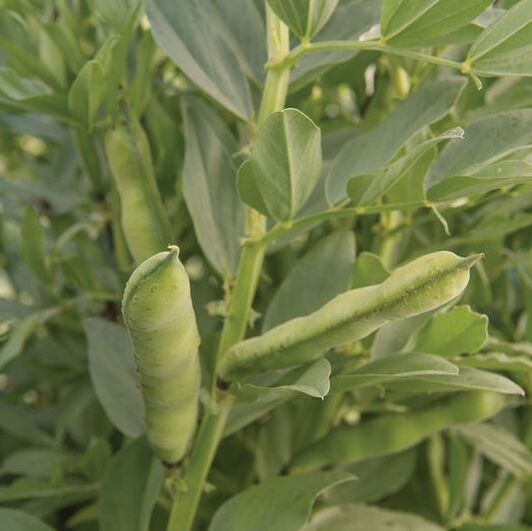
Windsor Fava Bean
75 Days to First Harvest Planting Notes: Planted in April for June Harvest “The classic fava bean. Windsor is a classic English variety with 5-6" pods containing 3-5 large, 1", fresh green shell beans.” |
|
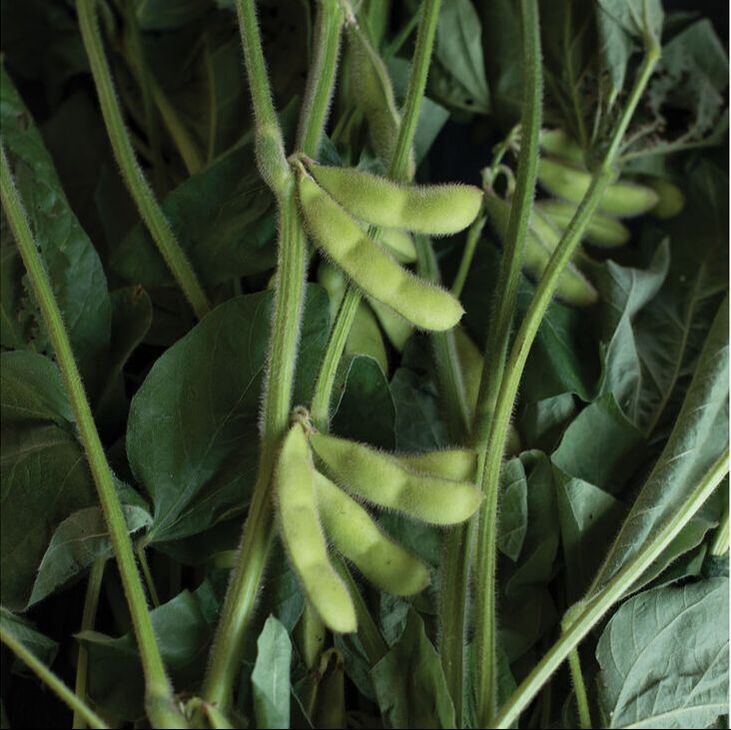
Karikachi Soybean
85 Days to First Harvest Planting Notes: Two plantings per season: May and June for harvests in August and September “Very tall, upright plants are sturdy and vigorous, producing large, plump pods averaging three seeds each. The flavor is excellent, whether fresh or steamed.” |
|
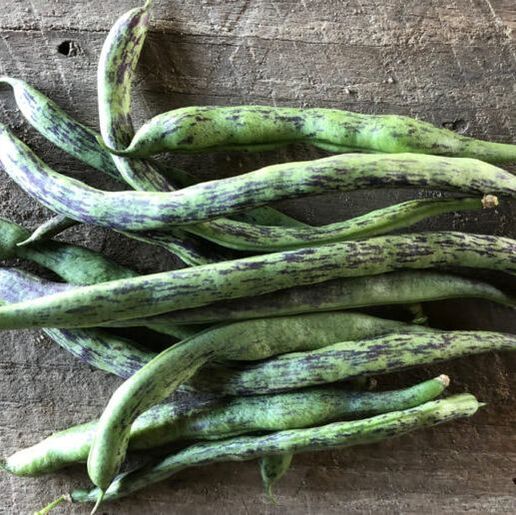
Rattlesnake Pole Bean
70 Days Planting Notes: Planted in May for a harvest that begins in August “Called Preacher Bean in parts of the South, Rattlesnake produces a good harvest of juicy flattish 6–7" pods with purple streaking said to resemble the markings of a rattlesnake.” |